Why this place
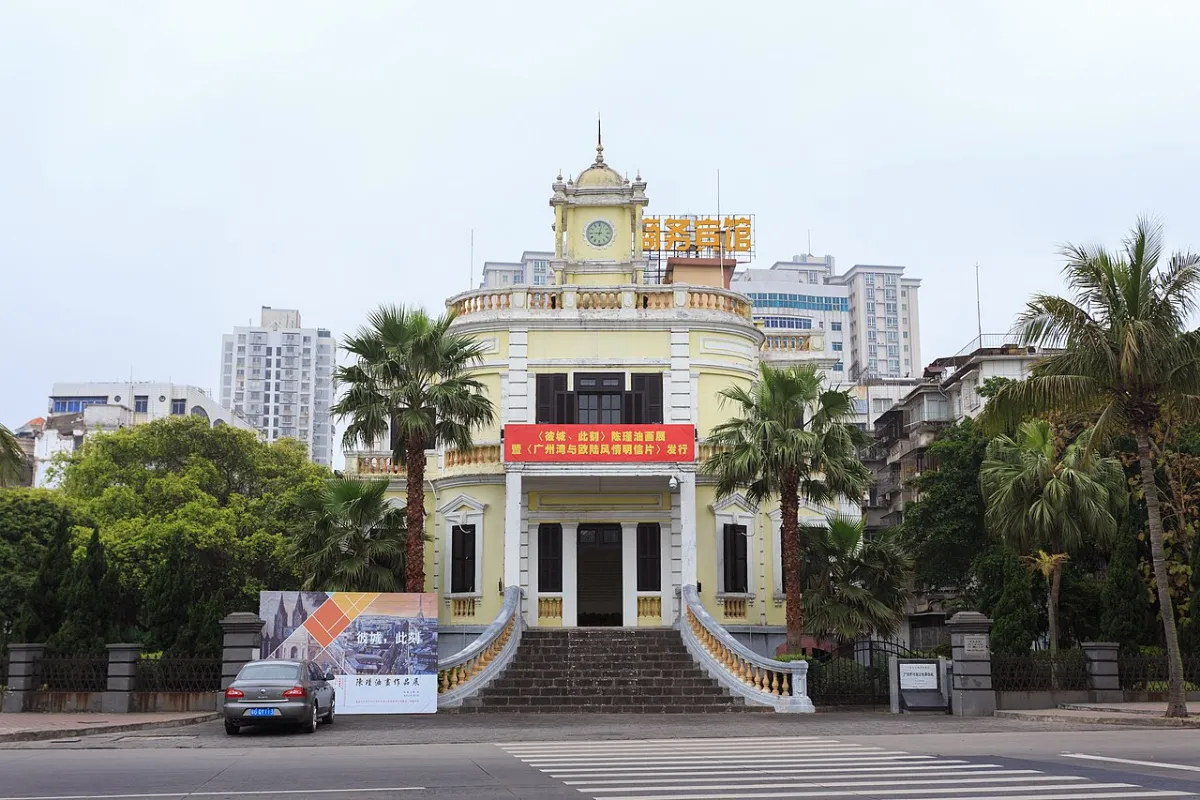
Zhanjiang sits at the tip of the Leizhou peninsula, facing Hainan across the strait, and it was once a French concession, so the old town keeps boulevards and colonial villas. Inland, Leizhou rests on volcanic soil that grows eucalyptus and papaya, and the coast is one of China's busiest fishing grounds. It is a working, tropical city rather than a polished resort.
People and culture
- The French occupied the bay as a concession in the 1890s, leaving grid streets, villas and Catholic churches in the old town.
- Leizhou peninsula's volcanic geology gives the inland soil and the strange basalt coasts their character.
- Zhanjiang is one of China's largest fishing ports, so a sea-going culture shapes daily life and the markets.
- The Leizhou dialect and its temple fairs form a cultural pocket distinct from mainstream Cantonese Guangdong.
- The city's deep harbour at Zhanjiang made it a strategic naval and trading base for successive powers, and its seafood wholesale market remains one of the largest on the South China Sea, supplying restaurants far up the coast with squid, shrimp and crab landed before dawn for the morning trade.
What to see
- The old French concession quarter, with arcaded streets and seaside villas.
- Huguangyan, a volcanic crater lake with clear water and a lakeside temple.
- The Leizhou peninsula's basalt coast and fishing villages.
- The South China Sea beaches and the coastal road west of the city.
- The Catholic cathedral and colonial buildings of the old administrative district.
- The Xiashan seafood market, where the day's catch is landed and sold.
What to eat
- Zhanjiang seafood the city is among China's biggest fishing ports, so it is cheap and fresh.
- Leizhou white-cut chicken, a regional classic with a specific ginger-scallion dip.
- Grilled squid and shellfish along the night-market waterfront.
- Volcanic-soil tropical fruit, especially papaya and pineapple from the peninsula.
How to plan
Plan two days. Day one explore the French old town on foot, then take a bus to Huguangyan crater lake for a lakeside walk and temple visit. Day two head to the Leizhou coast or a South China Sea beach, stopping at the Xiashan seafood market for an afternoon feast of just-landed fish and squid. Evenings are for the waterfront night market.
Best time
October–December and March–April
Practical tips
- The fishing market is best at dawn; arrive early for the liveliest scene and freshest buys.
- French-era buildings are scattered — a local map or guide helps connect them.
- Summers are hot and typhoon-prone; the cool season is far more comfortable.
HSKHSK level 3
This browser has no speech synthesis, so the ▶ buttons stay silent. Everything else works — Chrome, Edge and Safari can read the sounds aloud.