Why this place
Yongzhou is where Liu Zongyuan was exiled in the Tang dynasty and wrote the Eight Records of Yongzhou - some of the best classical Chinese prose about landscape. The city still has the sites he described, and the surrounding hills are the landscape he wrote about. The Xiao and Xiang rivers meet here, and the Jiuyi Mountain to the south holds the tomb of the legendary emperor Shun. The southern Hunan countryside is karst hills and rice, a quiet edge of the province.
People and culture
- Liu Zongyuan, the Tang poet and statesman, was exiled to Yongzhou and wrote the Eight Records of Yongzhou, classic landscape prose still taught in schools.
- The Xiao and Xiang rivers meet at Yongzhou, and the city grew where the two waterways join on the south road.
- Jiuyi Mountain to the south holds the tomb of the legendary emperor Shun, a major southern pilgrimage site.
- The surrounding karst hills and rice fields are the landscape Liu wrote about, still little changed.
- The Yongzhou region's stone streets and river temples are a rare survival of a Tang-era prefecture, which is why the old town still reads as the place Liu described.
What to see
- The Xiaoxiang and the Yu Xi sites, in the landscape Liu Zongyuan wrote about.
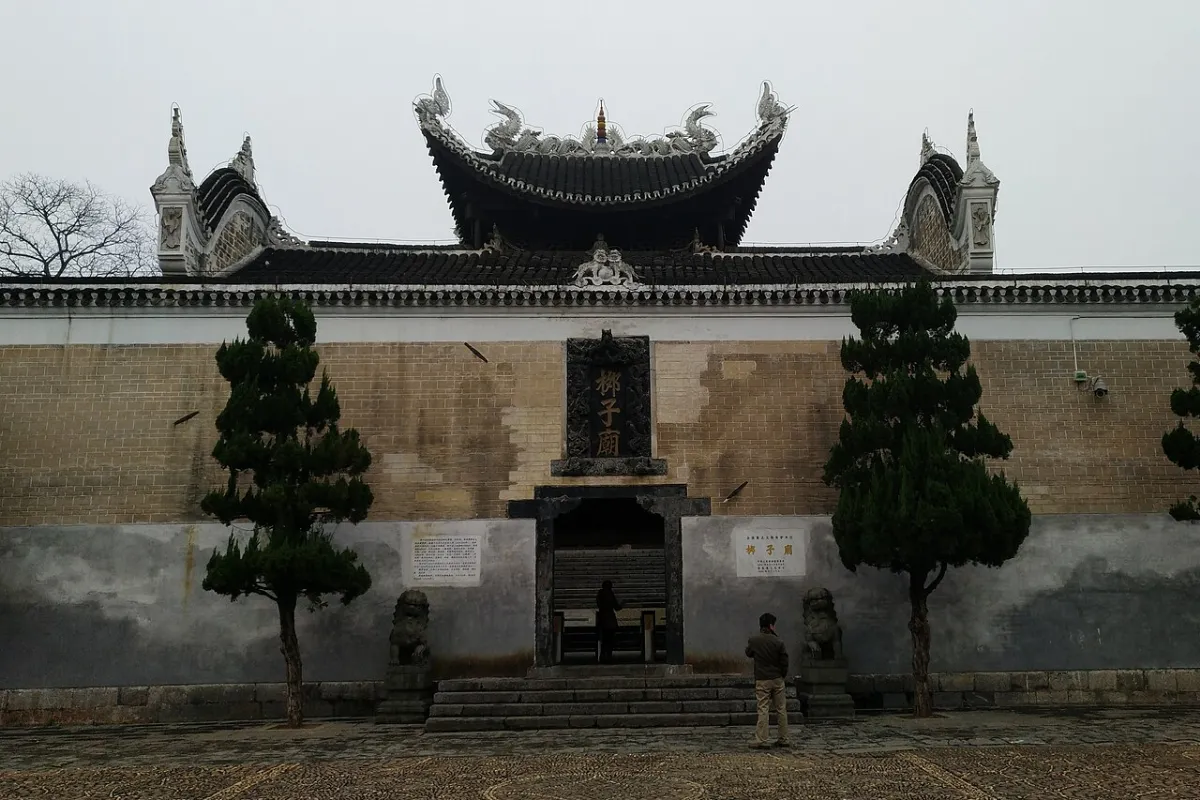
- The Yongzhou Confucian temple and the old city's stone streets.
- Jiuyi Mountain, with the tomb of the legendary emperor Shun, in the south of the prefecture.
- The Xiang River headwaters and the southern Hunan countryside.
- The Yongzhou museum, with the Liu Zongyuan records and the Shun culture.
- The Xiao River old wharf and the riverside lanes.
What to eat
- Hunan southern cooking, with river fish and the local cured meats.
- Yongzhou is known for its Dong'an chicken dishes.
- Dong'an chicken, the city's named sour-pepper dish.
- River fish from the Xiao and Xiang, simply steamed.
How to plan
Two days. Day 1: the Xiao and Xiang river sites Liu Zongyuan wrote about, then the Yongzhou Confucian temple and the old stone streets. Day 2: Jiuyi Mountain south of the city for the Shun tomb and the karst hills. Yongzhou is about two hours by high-speed rail from Changsha and sits on the south road toward Guangxi, so fit it into a southern-Hunan route with an overnight in the city.
Best time
April-June and September-November
Practical tips
- The Liu Zongyuan sites are scattered; the museum links them, so start there for the map.
- Jiuyi Mountain is a couple of hours south; hire a car or join a tour.
- Stay in Yongzhou; the countryside needs a car for the day trips.
This browser has no speech synthesis, so the ▶ buttons stay silent. Everything else works — Chrome, Edge and Safari can read the sounds aloud.