Why this place
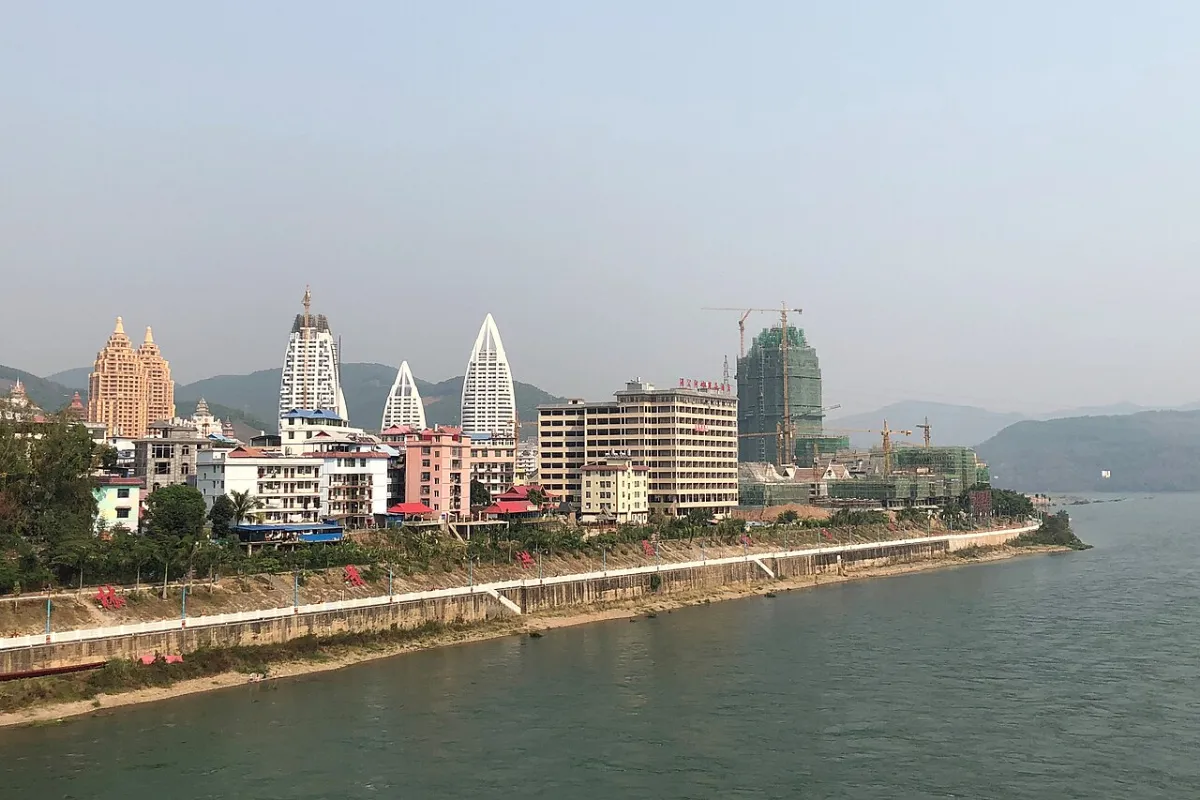
Xishuangbanna is the tropical tip of Yunnan, on the Mekong and the borders of Myanmar and Laos, and culturally it is Dai rather than Han Chinese, with Theravada Buddhist temples, stilt houses, water-splashing festivals and a genuinely Southeast Asian food culture. The prefecture also holds the last tropical rainforest in China, a canopy world of rare plants and the country's last wild Asian elephants.
People and culture
- The Dai of Xishuangbanna practise Theravada Buddhism, with gilded temples and monk schools in every major town.
- The mid-April Water-Splashing Festival is the Dai new year and a national event that draws huge crowds.
- The tropical rainforest here is the last of its kind in China, with canopy walks and rare plants.
- The Mekong, called the Lancang here, shapes an agriculture of rice, rubber and tropical fruit.
- The Jinuo and the hill Hani keep their own languages, weaving and terrace traditions within the prefecture.
What to see
- Jinghong Dai temples and the Mekong riverfront, the busy centre of the prefecture.
- The Menglun tropical botanical garden, the largest in China, with rainforest canopy walks.
- The Dai villages of Ganlanba, with stilt houses, rice fields and palm shade.
- The Wild Elephant Valley, the best place to see the last wild Asian elephants in China.
- The mid-April Water-Splashing Festival, the Dai new year, celebrated across the towns.
- The Manfeilong pagodas and the Theravada monasteries of the countryside.
What to eat
- Dai cooking, sour and grilled, with banana-leaf steaming, pineapple rice and bamboo rice.
- Tropical fruit, durian, mangosteen, rambutan and mango, grown at scale almost nowhere else in China.
- Pu'er tea from the surrounding mountains, served at the Dai houses and the roadside stalls.
- Sticky rice and grilled Mekong fish, eaten with the hands at the evening markets.
How to plan
Three days: Day 1, Jinghong temples and the Mekong riverfront; Day 2, the Menglun botanical garden and a canopy walk; Day 3, Ganlanba Dai village and the Wild Elephant Valley. Xishuangbanna has an airport and a rail link from Kunming, so it works as a three-day tropical-and-minority loop at the far south, with the festival period booked well ahead.
Best time
November to April, dry and pleasant; April for the Water-Splashing Festival; the wet season runs June to September.
Practical tips
- The Water-Splashing Festival means everyone gets soaked; protect your phone and expect to enjoy it.
- The botanical garden is huge; take the shuttle and allow a half day for the canopy walk.
- It is tropical and humid; bring light clothes, repellent, and book the festival period early.
This browser has no speech synthesis, so the ▶ buttons stay silent. Everything else works — Chrome, Edge and Safari can read the sounds aloud.