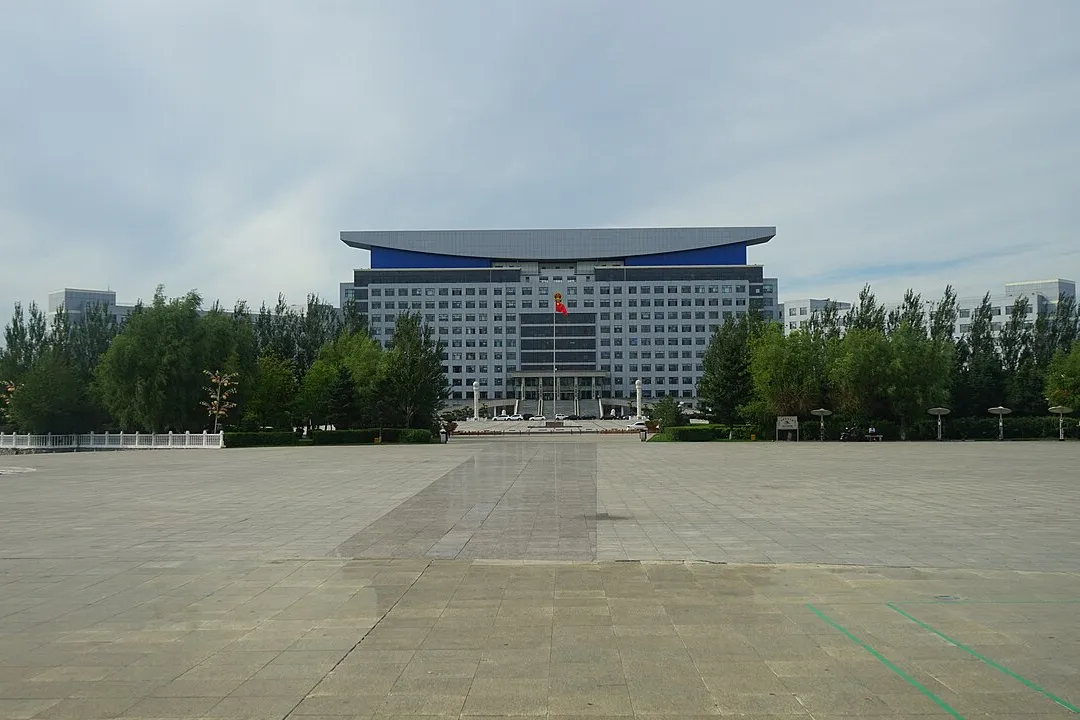
Why this place
Suihua is a farming city in the middle of Heilongjiang's black-soil belt — the most fertile soil in China, which feeds a large part of the country. The Hulan River wetlands and the marsh parks are remnants of the plain's original prairie, and the county villages mix Han, Korean and Manchu communities with distinct food and festival habits. The black soil is shallow and exhaustible, so the region is now a showcase for careful, science-led farming.
People and culture
- Suihua is a farming city in the middle of Heilongjiang's black-soil belt — the most fertile soil in China, which feeds a large part of the country.
- The Hulan River wetlands and the marsh parks are remnants of the plain's original prairie.
- The county villages mix Han, Korean and Manchu communities, with distinct food and festival habits.
- The black soil (chernozem) is shallow and exhaustible, so the region is now a showcase for careful, science-led farming.
- Suihua's grain elevators and the harvest in September are a dramatic show of scale.
- The plain here also grows soybean and corn at scale, shipped south by the rail lines that cross the black-soil belt.
What to see
- The black-soil farmland and the harvest in September, which is dramatic at scale
- The Hulan River wetlands and the surrounding marsh parks
- County-level Korean and Manchu villages in the surrounding area
- The Suihua Museum on the black soil and the plain's farming
- The grassland and the reed beds east of the city
- The autumn grain elevators and the field roads for a sense of the scale
What to eat
- Heilongjiang rice and corn, the plain's staples
- Northeast pickled cabbage and pork dishes
- Korean-style cold noodles and kimchi in the county villages
- Grilled skewers and steamed buns at the market
How to plan
Day 1: drive out to the black-soil farmland for the field scale and, in September, the harvest; then the Hulan River wetlands. Day 2: visit a Korean or Manchu county village for the food and festival habits, or the marsh parks. The farmland is 20-40 km out; the villages are further. This is a plain-and-farming trip, not a monument one, so time September for the gold and carry a translation app for the villages.
Best time
June–September
Practical tips
- Suihua is a farming base, not a tourist town; come for the plain and the harvest, not big sights.
- September is the harvest peak — the best and busiest time to see the black-soil scale.
- Use Suihua as a rail stop between Harbin and the north; the city itself is half a day.
HSKHSK level 2
This browser has no speech synthesis, so the ▶ buttons stay silent. Everything else works — Chrome, Edge and Safari can read the sounds aloud.