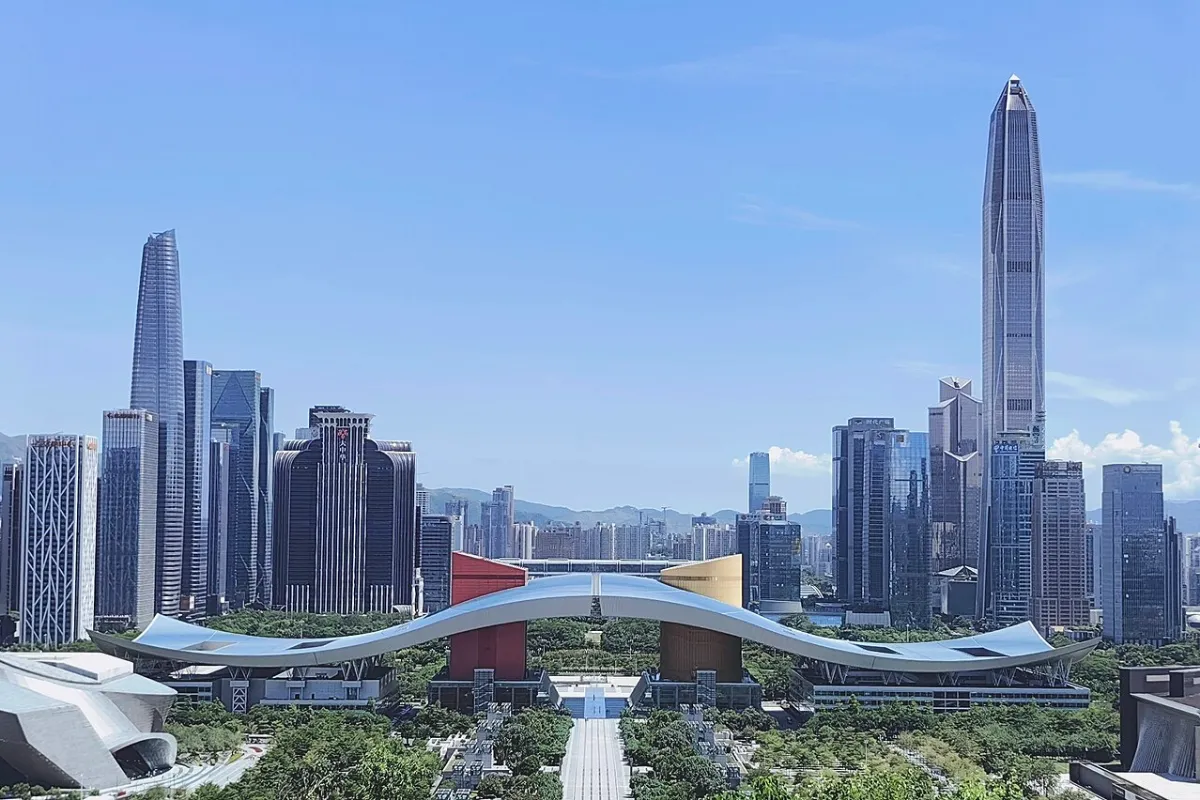
Why this place
Shenzhen was a string of fishing and farming villages until 1980, when it became China's first Special Economic Zone, and the speed of its transformation is itself the spectacle. Today it is a design and technology metropolis with the country's most ambitious contemporary architecture, excellent museums and a long, landscaped coastline. Its migrant population also makes it the most varied food city in the Pearl River region.
People and culture
- Shenzhen's rise from fishing villages to a megacity in four decades is the clearest monument to China's reform era and is documented in its own museums.
- The Dapeng and Hakka walled fortresses on the east coast preserve the pre-1980 settlement pattern, with grey-brick lanes and watchtowers built against pirates.
- As a migrant city, Shenzhen built a culture of design fairs, tech summits and contemporary art in converted industrial districts like OCT Loft.
- The city's rapid planning created a rare grid of coastal parks and cycling paths unmatched by older Chinese metropolises.
- The city's border with Hong Kong created a unique cross-border daily life, with commuters, shoppers and students moving between two systems on the same metro line, a situation with no parallel elsewhere in China.
What to see
- The Ping An Finance Centre and the Shenzhen Bay skyline, best seen from the waterfront promenade.
- OCT Loft and the Dafen oil-painting village, art districts in converted factory space.
- The Shenzhen Museum, which tells the reform-era story better than any other.
- Dapeng Fortress and the old Hakka fishing villages of the east coast.
- The coastal greenway and the parks along Shenzhen Bay, genuinely good for cycling.
- The theme parks such as Window of the World, a 1990s take on global landmarks.
What to eat
- Shenzhen eats every regional cuisine of China, thanks to its migrant population.
- Cantonese seafood and dim sum here rival Guangzhou's at lower prices.
- Hakka and Chaoshan restaurants serve the city's southern home cooking.
- Late-night food streets near the border crossings mix mainland and Hong Kong tastes.
How to plan
Allow two days. Day one ride the metro to the Shenzhen Museum to understand the boom, then walk OCT Loft's art lanes and finish at the Ping An tower deck for the skyline. Day two head east to Dapeng Fortress by bus, wander the walled Hakka lanes and the coast, and return via the Shenzhen Bay promenade at sunset.
Best time
October–December and March–April
Practical tips
- Shenzhen links to Hong Kong by high-speed rail and several land border crossings — carry your documents.
- The metro covers the whole city; avoid the rush-hour lines on the border branches.
- Dapeng is far east — start early, as buses thin out in the late afternoon.
HSKHSK level 3
This browser has no speech synthesis, so the ▶ buttons stay silent. Everything else works — Chrome, Edge and Safari can read the sounds aloud.