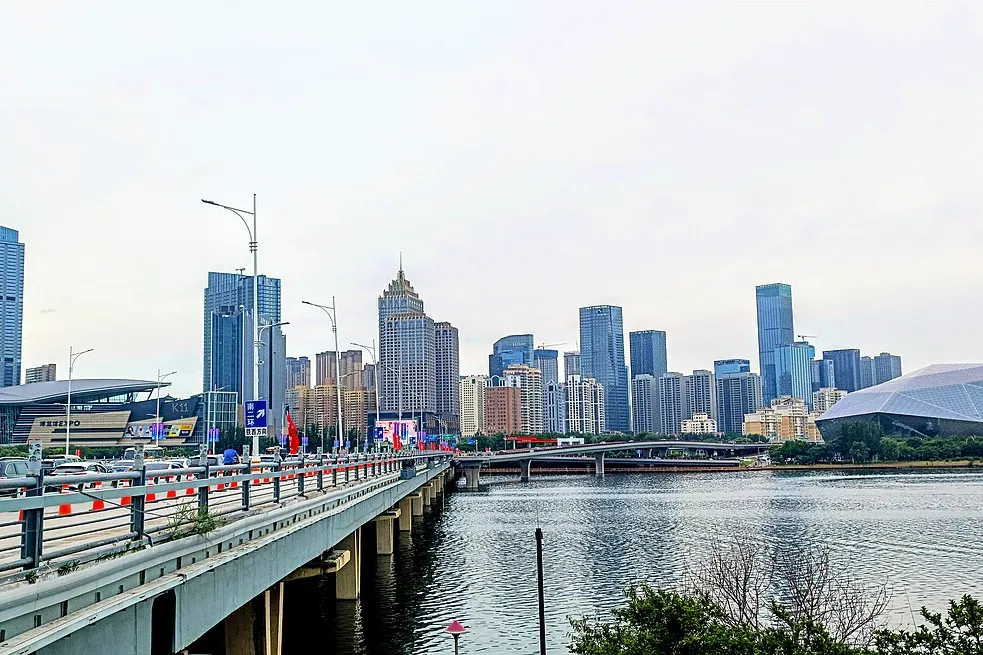
Why this place
Shenyang was the Manchu capital before the Qing crossed the Great Wall in 1644, and the city still holds the palace the early Manchus built — a smaller, more wooden cousin of Beijing's Forbidden City, with distinct Manchu and Tibetan roof touches. Two founding emperors are buried in wooded park-tombs at the city's edges, and a museum on the 1931 Mukden Incident explains how the occupation of Manchuria began here. Today it is also the old industrial heart of the northeast, where the story of Chinese heavy industry is told plainly in its steelworks and former workers' blocks.
People and culture
- The Manchu court that ruled from Shenyang before Beijing left a written script, a banner-army system and a court ritual that shaped the early Qing; the palace archives record Nurhaci's move south and the making of a dynasty from a frontier clan.
- Shenyang's industrial boom began with Japanese-built railways and mines in the early 1900s, then grew under state planning into the 'capital of the rust belt', once making locomotives, machine tools and the first domestically built tractors.
- The two imperial tombs, Zhaoling and Fuling, follow Ming cemetery form but use Manchu timber brackets and stone beasts; both sit in old pine forest and are still used as public parks by locals.
- Local folk art includes Manchu paper-cut and the loud, percussive yangge dance performed in the streets at New Year; Shenyang also keeps a strong dumpling-house tradition dating back over a century.
What to see
- The Mukden Palace (1625) the Qing imperial palace before Beijing, with Manchu and Tibetan roof details and an intact throne hall
- Zhaoling, Hong Taiji's tomb (1643) in a walled pine park in the city's north
- Fuling, Nurhaci's tomb in the eastern hills, with a sacred path of stone animals
- The 9.18 Historical Museum built over the 1931 incident site, with a wall of victim names
- The Zhang Xueliang Former Residence the warlord's 1914 mansion, now a museum on the 1936 Xi'an Incident
- The Shenyang Industrial Museum in the old factory district, with giant machine tools from the planned-economy era
What to eat
- Laobian dumplings a Shenyang house founded in 1829, known for thin-skinned pork and vegetable parcels
- Suan cai (pickled napa cabbage) the sour base of most northeast stews, kept through the winter
- Luan dun (mixed stew) pork, potato, vermicelli and bean curd simmered together in one pot
- Grilled skewers and cold noodles the city's night-market staples, eaten outdoors even in deep cold
How to plan
Day 1: start at the Mukden Palace in the early morning, then walk to the Zhang Xueliang residence and the 9.18 Museum (bus 212 or a short taxi). In the afternoon ride the metro to Beiling Park for Zhaoling. Day 2: take the tourist bus east to Fuling, then return for the Industrial Museum and Shenyang's snack streets around Zhongjie, the oldest shopping arcade in the northeast. Both tombs are reachable by metro and local buses; leave a half day each so the parks are not rushed.
Best time
May–June and September–October, when the parks are green and the tombs are walkable; winter is long and very cold
Practical tips
- The 9.18 Museum is closed on Mondays and crowds on weekends — go early on a weekday and bring ID for entry.
- Shenyang's winter lows reach -20 C; indoor heating is strong but the tombs and parks are exposed, so layer up.
- Zhongjie and the palace area are walkable, but use the metro (Lines 1 and 2) to cross the sprawling city; taxis are cheap but stuck in rush-hour jams.
This browser has no speech synthesis, so the ▶ buttons stay silent. Everything else works — Chrome, Edge and Safari can read the sounds aloud.