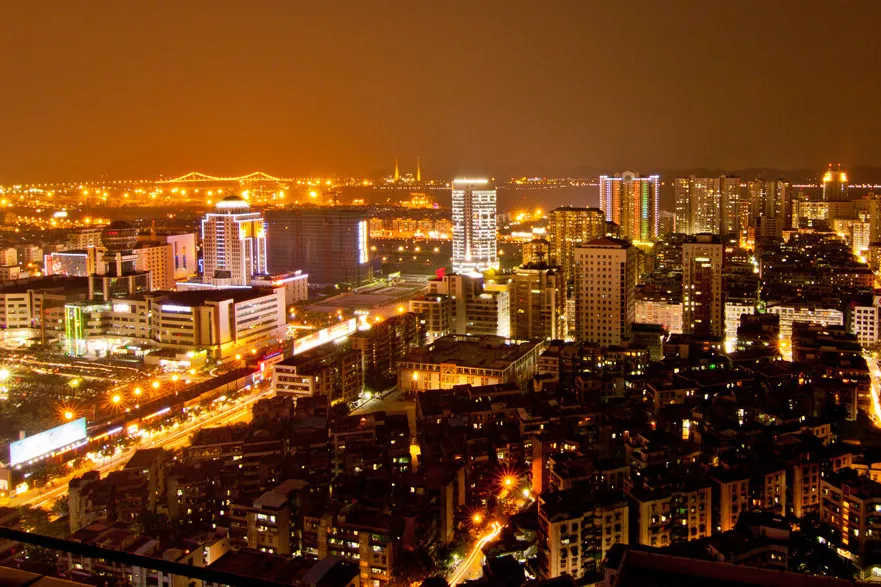
Why this place
Shantou is the principal city of the Chaoshan region, which keeps its own language, opera and one of China's great regional cuisines. Chaoshan cooks and restaurateurs spread across Southeast Asia, and the food born here — springy beef balls, braised goose, rice-noodle soup and gongfu tea — is the source of that diaspora's table. The city also preserves a tidy 1920s grid of arcaded streets.
People and culture
- Chaoshan culture maintains a distinct language, Teochew opera and puppet theatre found nowhere else in Guangdong.
- Gongfu tea, brewed in tiny pots and sipped in thimble cups, is a daily social ritual rather than a mere drink.
- The region's merchant families built the overseas Chinese networks of Thailand, Singapore and Malaysia from this port.
- Shantou's planned 19th-century port and 1920s arcaded centre show the treaty-port layer of its urban history.
- The Swatow (Shantou) port was one of the treaty ports opened in the late 19th century, and its customs house, foreign residences and planned grid still mark a layer of international contact distinct from the rural Chaoshan hinterland.
What to see
- The Xiaogongyuan arcaded quarter, the 1920s city centre with restored qilou shophouses.
- The Queshi scenic hills and the old harbour, with coastal cliffs and temples.
- Chaoshan opera and Teochew puppet shows, still performed in local theatres.
- The gongfu-tea houses, where the brewing ritual is demonstrated all day.
- The Shantou Museum and the coastal promenade at the old customs waterfront.
- The nearby Chen Cihong former estate, a wealthy overseas clan's walled mansion.
What to eat
- Beef balls (niurou wan) hand-bounced, springy and served in clear soup, the city's signature.
- Braised goose (lu e) the most prized meat dish of Chaoshan cooking.
- Rice-noodle soup (kway teow) for breakfast, plus the local oyster omelette.
- Gongfu tea as a course in itself, taken between bites in tiny cups.
How to plan
Give Shantou two days built around eating. Day one tour the Xiaogongyuan arcaded quarter and the Queshi coast, with a beef-ball lunch and an oyster omelette snack. Day two follow the food properly: a kway-teow breakfast, a gongfu-tea session, a braised-goose dinner, and an evening Chaoshan opera performance if the schedule allows.
Best time
October–December and March–April; typhoon season is July–September
Practical tips
- Plan the day around meals — Chaoshan food is the main reason to visit, not the monuments.
- Typhoons can close the coast from July to September; check the forecast before island trips.
- Teahouses reward slow visits; ask to watch the brewing rather than rushing the cup.
This browser has no speech synthesis, so the ▶ buttons stay silent. Everything else works — Chrome, Edge and Safari can read the sounds aloud.