Why this place
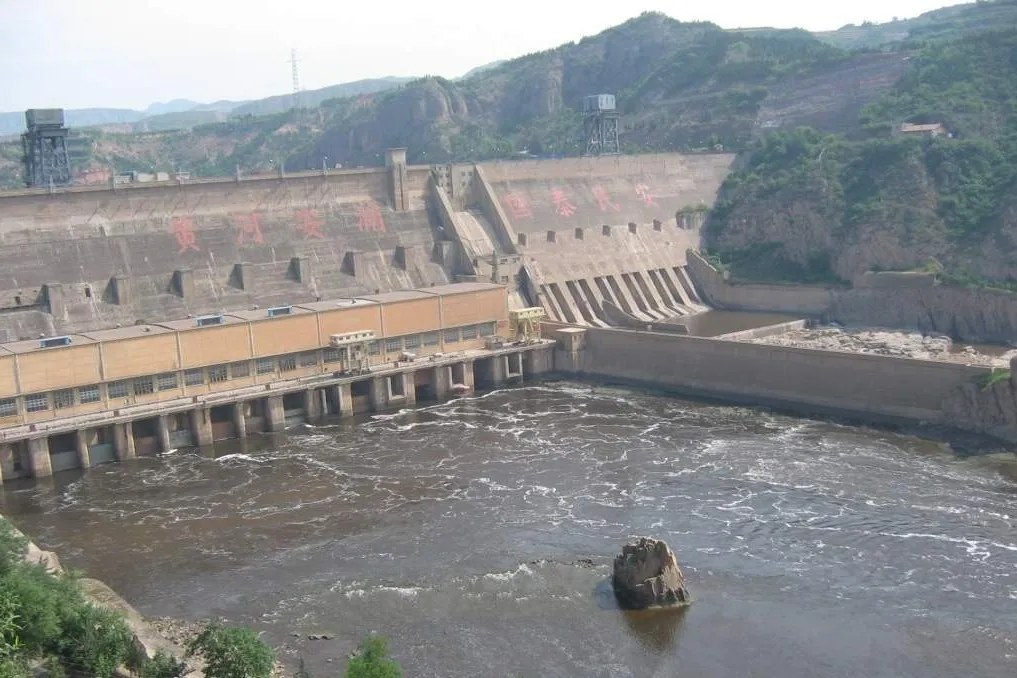
Sanmenxia is where the Yellow River leaves the loess plateau and slows, and where it passes the great dam built in the 1950s - the city's name means three gate gorge. Its claim to fame is archaeological: the earliest iron implements found in China come from a tomb here, and the Yangshao village site at Mianchi is one of the defining Neolithic cultures of the country. In winter the reservoir behind the dam fills with swans, which is its other draw.
People and culture
- The Guo State tomb at Shangcun yielded the earliest iron sword in China, from about the 8th century BC, showing iron-working reached the central plain earlier than once thought.
- Yangshao culture, named after the Mianchi village site, is the type-site of a painted-pottery Neolithic people who farmed the Yellow River loess some 5,000 to 7,000 years ago.
- The Sanmenxia dam of the 1950s was the first big Yellow River project, built with outside help, and it tamed the flood that had shaped the plain for millennia.
- The city sits where the river exits the gorges onto the plain, which is why every dynasty built a pass and a granary here to control the west road.
What to see
- The Sanmenxia dam and the Yellow River gorge, with the wintering swans on the reservoir.
- The Guo State Museum, with the earliest iron sword and the jade burial sets.
- The Yangshao village site at Mianchi, one of the defining Neolithic cultures of China.
- Hangu Pass, the great gateway between the central plain and the west.
- The Swan Lake wetland, best from November to February.
- The old city wall and the riverside park.
What to eat
- Yellow River carp, the local river fish braised with soy.
- Sanmenxia apples, a crisp plain fruit sold at the roadside.
- Dried fruit and date sweets from the surrounding orchards.
- Lamb noodles, the Henan staple.
How to plan
Two days. Day 1: the Sanmenxia dam and the gorge, then the Guo State Museum for the iron sword and jade burials. Day 2: Mianchi for the Yangshao village site and Hangu Pass, an hour west, then the Swan Lake wetland if it is winter. Sanmenxia is about two hours by high-speed rail from Zhengzhou and sits on the west road toward Xi'an, so it suits a plain-to-west route with an overnight in the city.
Best time
November-February for the wintering swans; April-May and September-October otherwise
Practical tips
- The swans are only here November to February; at other times the reservoir is just a dam, so time a winter visit for the birds.
- The Yangshao site is mainly an excavation and a small museum; go for the pottery, not grand ruins.
- Hangu Pass is a reconstruction on the old site; worthwhile for the pass's history, not the buildings.
HSKHSK level 3
This browser has no speech synthesis, so the ▶ buttons stay silent. Everything else works — Chrome, Edge and Safari can read the sounds aloud.