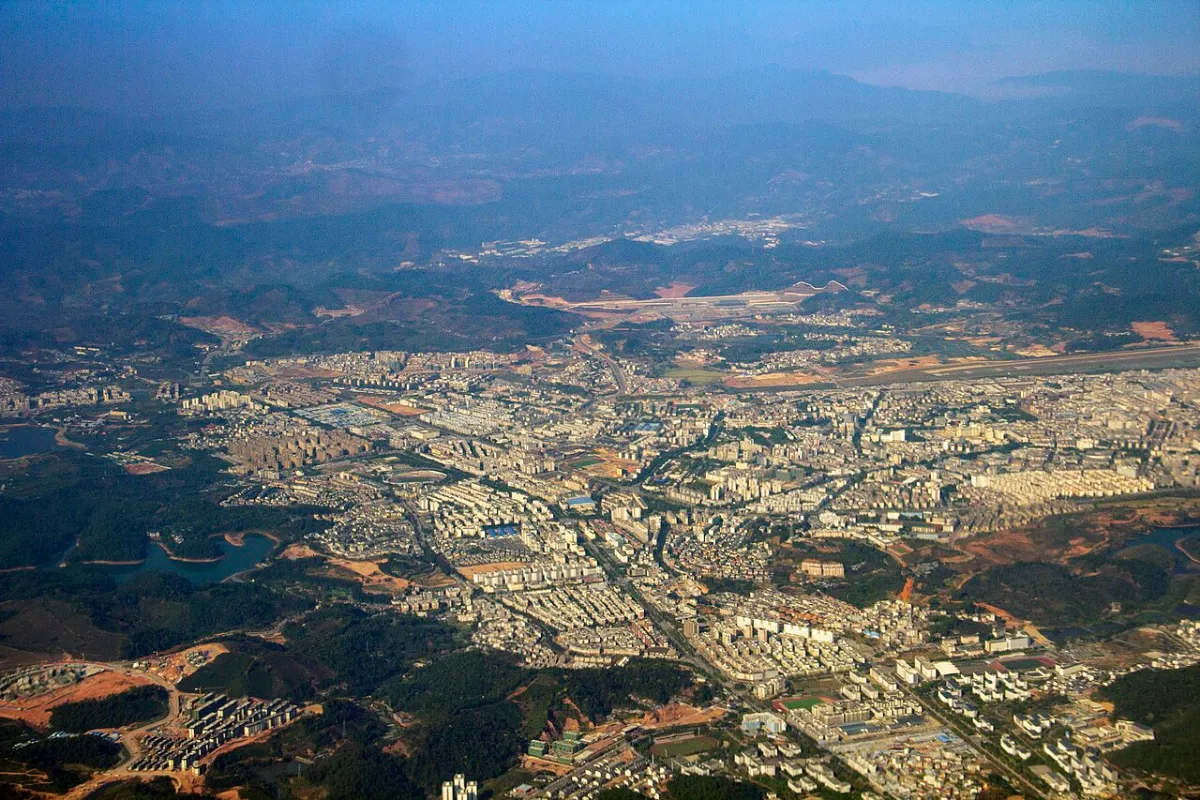
Why this place
Pu er is the tea city of Yunnan, and the mountain forests here hold ancient tea trees hundreds of years old. The fermented tea that bears the city name is traded and aged like wine, and the tea mountains are a genuine pilgrimage for anyone who cares about tea. It also borders Xishuangbanna to the south, so the climate turns tropical just beyond the hills.
People and culture
- The Jingmai Mountain tea forests are a UNESCO site of ancient tea gardens with trees centuries old, farmed by the Blang and Dai.
- Pu er tea is fermented and aged like wine, and the trade shaped the mountain economy for generations.
- The old tea-horse road ran through here, carrying cakes of tea toward Tibet and the interior.
- The Dai and Wa people of the tea mountains keep distinct languages, dress and rituals.
- The region is the link between the central Yunnan plateau and the tropical south.
What to see
- The Jingmai Mountain tea forests, UNESCO-listed ancient tea gardens with trees centuries old.
- The Pu er tea museum and the old tea-horse road staging posts.
- The Dai and Wa villages of the tea mountains, with stilt houses.
- The Xishuangbanna border country to the south, reachable for a day.
- The Naoli river and the forest reserves of the prefecture.
- The tea-processing workshops where the cakes are pressed.
What to eat
- Pu er tea, in all its aged forms, served at the local houses and the tasting rooms.
- Dai and Wa cooking, sour and grilled, with banana-leaf steaming and bamboo rice.
- The local wild vegetables and the mushroom dishes in season from the forest.
- The tropical fruit brought up from the Xishuangbanna border, mango and banana among them.
How to plan
Day 1: the Jingmai tea forests and a Dai or Wa village among the old trees, with a tea tasting in a wooden house. Day 2: the Pu er tea museum and the old road posts, then the border country south for a look at the tropics. Pu er is on the rail line south from Kunming toward Xishuangbanna, so it works as a one- or two-day tea pilgrimage stop on the way to the warmer south, and you can continue by rail.
Best time
March to April for the spring tea harvest; October to November otherwise.
Practical tips
- The spring harvest, March to April, is the best time to see the tea forests worked and to taste fresh leaf at the source.
- Jingmai is far into the hills; stay overnight in a village guesthouse for the atmosphere and the morning mist.
- Pu er tea is faked widely; buy from a known workshop or the museum shop rather than a roadside stall.
This browser has no speech synthesis, so the ▶ buttons stay silent. Everything else works — Chrome, Edge and Safari can read the sounds aloud.