Why this place
Nanjing has been a capital of China under six dynasties between the third and sixth centuries, then again for the early Ming and the republican government, and it keeps the longest medieval city wall in the world along with the mausoleums of its first Ming emperor. It is also a city of plane trees, universities and memory — the memorial to the 1937 Nanjing Massacre is one of the most affecting sites in the country, and its streets carry more modern political history per block than almost anywhere else.
People and culture
- Nanjing served as a capital under six dynasties between the third and sixth centuries, then again for the Ming founders and the republican government, which is why its layers of wall and tomb survive in one place.
- The Ming city wall, begun in 1366, used huge bricks stamped with the names of the counties that fired them, and about two-thirds of its circuit still stands — the longest medieval wall anywhere.
- Purple Mountain holds the Sun Yat-sen Mausoleum and the Ming Xiaoling tomb, both built into the hillside so the monuments read as part of the landscape rather than on top of it.
- The Nanjing Massacre Memorial Hall stands on the site of a mass grave from 1937 and is one of the most sobering museums in the country, deliberately hard to visit.
- The city was a treaty port after 1842 and a centre of the 1911 and 1949 revolutions, so its streets carry more modern political history per block than almost any other in China.
What to see
- The Ming city wall 35km of the original, with the Zhonghua Gate the most complete
- The Sun Yat-sen Mausoleum on Purple Mountain, and the Ming Xiaoling tomb nearby
- The Nanjing Massacre Memorial Hall essential, and very hard
- Confucius Temple and the Qinhuai River district, for the old examination-city quarter
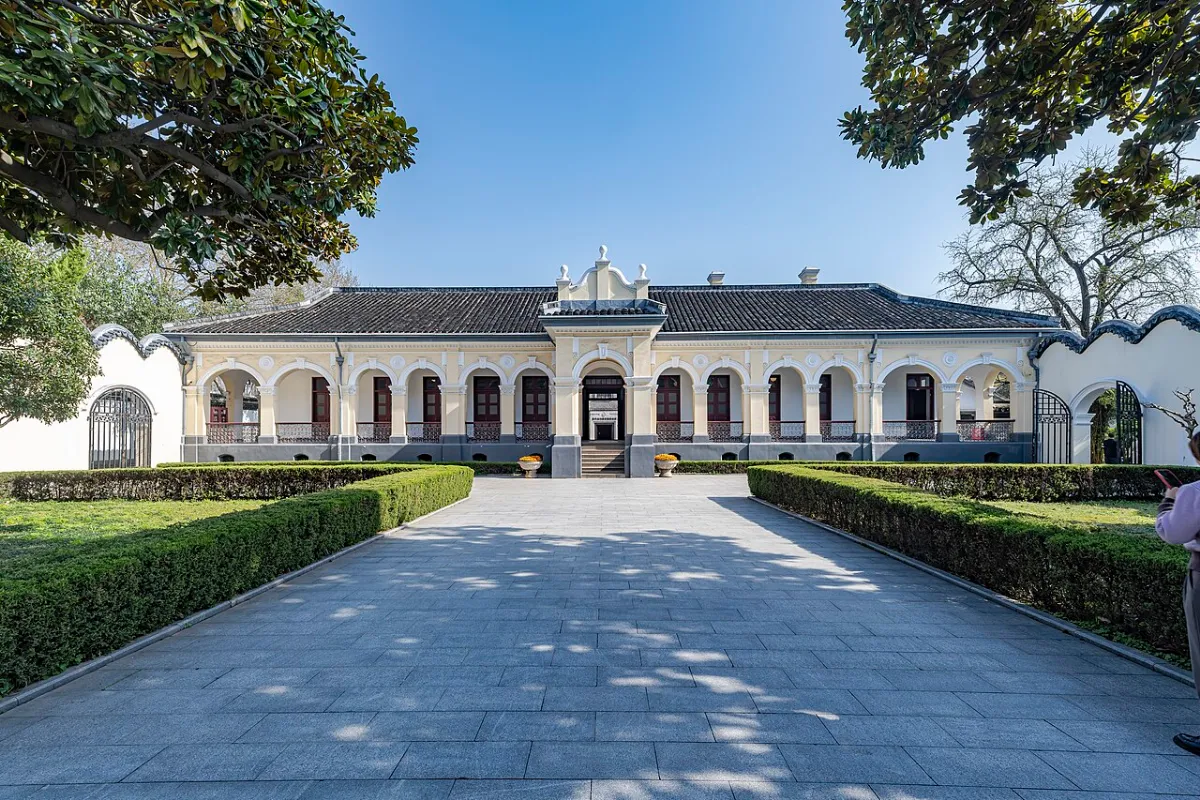
- The Presidential Palace, which spans the Taiping, republican and later periods
What to eat
- Salted duck (yanshui ya) Nanjing's most famous food
- Duck blood and vermicelli soup, and duck-oil pancakes
- Sweet osmanthus and lotus-root dishes from the Qinhuai tradition
How to plan
Give day one to Purple Mountain: the Sun Yat-sen Mausoleum in the morning, the Ming Xiaoling tomb and the observatory, using the shuttle bus between sites. Day two is the wall and the old city — Zhonghua Gate, the Confucius Temple quarter along the Qinhuai, and the Presidential Palace. A third day covers the Nanjing Museum and the Massacre Memorial Hall; keep the latter for a calm afternoon, because it is demanding.
Best time
March–May and September–November; the plane trees are green all summer
Practical tips
- Purple Mountain's sites are spread out and uphill; take the shuttle bus and wear walking shoes rather than trying to do it on foot.
- The Massacre Memorial Hall requires ID at the door and asks for quiet; allow at least two hours and go early before the crowds.
- The metro reaches the wall gates and the old town directly, and the airport line makes the train stations easy without a taxi.
This browser has no speech synthesis, so the ▶ buttons stay silent. Everything else works — Chrome, Edge and Safari can read the sounds aloud.