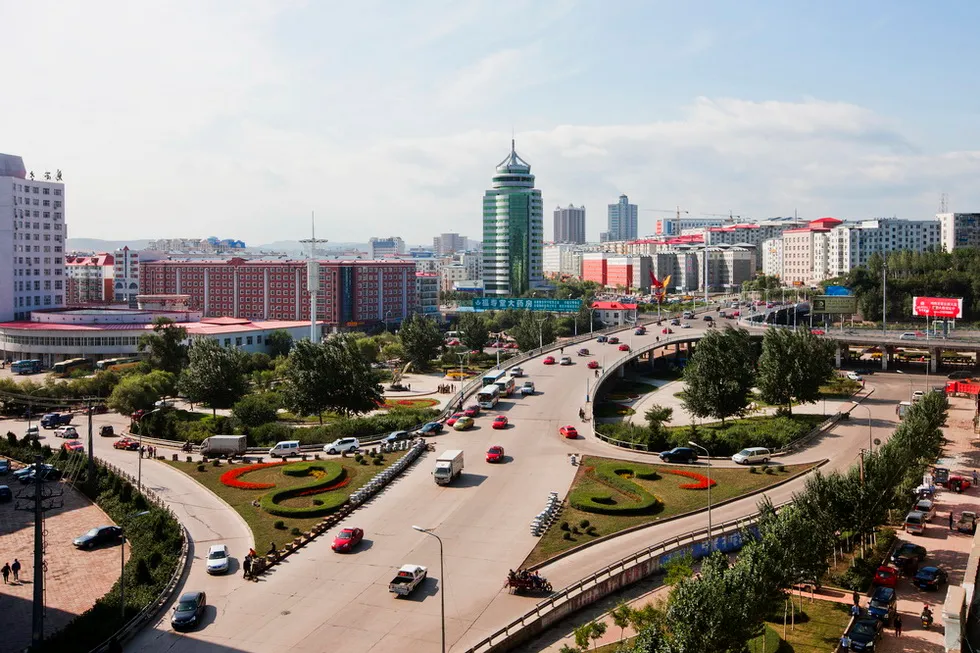
Why this place
Jixi is a coal-mining city in eastern Heilongjiang, close to the Russian border and to Khanka Lake, a vast wetland lake shared with Russia. Khanka (Xingkai) Lake is one of the richest bird habitats in northeast Asia, with enormous reed wetlands on the Chinese side. The Ussuri River border country mixes forest, wetland and Russian-influenced villages, and Hutou Fortress nearby is a huge Second World War Japanese border fortress complex cut into the hills.
People and culture
- Jixi is a coal-mining city in eastern Heilongjiang, close to the Russian border and to Khanka Lake, a vast wetland lake shared with Russia.
- Khanka (Xingkai) Lake is one of the richest bird habitats in northeast Asia, with enormous reed wetlands on the Chinese side.
- The Ussuri River border country mixes forest, wetland and Russian-influenced villages.
- Hutou Fortress nearby is a huge Second World War Japanese border fortress complex cut into the hills.
- The coal seams here fed the northeast's industry; the city is now diversifying toward the lake tourism.
- Jixi's coal heritage includes the well-preserved pitside housing and the miners' canteens that fed shifts around the clock during the industry's peak years.
What to see
- Khanka (Xingkai) Lake huge reed wetlands and enormous numbers of migratory birds
- The Ussuri River border country, with its forests and wetlands
- Hutou Fortress a Second World War Japanese border fortress complex
- The lake's fishing villages and the reed-boardwalk on the Chinese shore
- The Jixi Museum on coal, the border and the lake
- The southeastern forest parks toward the Russian frontier
What to eat
- Northeast stews, pickles and dumplings, the mining-town base
- Freshwater fish from the Ussuri and Khanka big carp and perch
- Grilled skewers and cornmeal cakes
- Lake shrimp and reed-shoot dishes at the lakeside
How to plan
Day 1: go to Khanka Lake for the wetlands and birds, and walk a fishing village on the Chinese shore. Day 2: visit Hutou Fortress for the wartime tunnels, or the Ussuri border forest. The lake is 50 km south by bus; Hutou is further east. Spring and autumn are the bird peaks; summer is green. The border is sensitive, so stay on the marked trails and carry ID.
Best time
May and September–October for birds; July–August for green marsh
Practical tips
- Khanka Lake is a cross-border wetland; keep to the Chinese shore and the marked boardwalks, no drones near the frontier.
- The lake is far south; stay overnight or start early to catch the dawn bird activity.
- Hutou Fortress is a large hillside site; wear sturdy shoes and allow two hours.
HSKHSK level 2
This browser has no speech synthesis, so the ▶ buttons stay silent. Everything else works — Chrome, Edge and Safari can read the sounds aloud.