Why this place
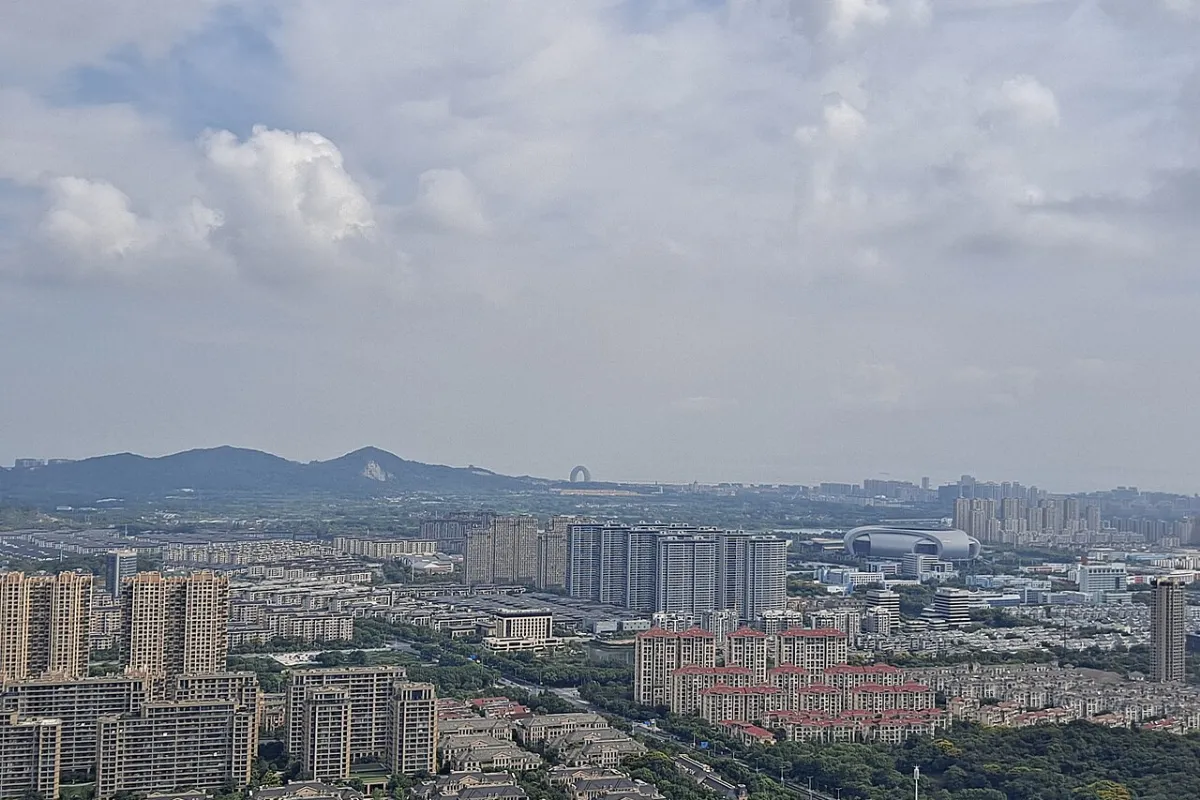
Huzhou sits on Lake Tai's southern edge and has been the centre of Chinese writing brushes for two thousand years — Huzhou brushes are still considered the best. The bamboo mountains behind the city provided the raw material for both brushes and paper, and the summer villas of old Shanghai still stand at Moganshan. Nanxun, a canal town in its county, has some of the finest merchant mansions in China.
People and culture
- Huzhou has made writing brushes from tied goat and rabbit hair for two thousand years, and its brushes are still the choice of calligraphers who care.
- The bamboo mountains behind the city supplied the shafts and the paper; the brush, ink and paper trade is the local identity.
- Moganshan, the bamboo hill, was where the elites of old Shanghai built cool summer villas, and the old houses are now guesthouses.
- Nanxun, in Huzhou's county, was a silk-merchant town whose mansions mixed Chinese and European styles, and the best of them survive.
- The city sits on Lake Tai's south shore, so its food and life turn on the lake's fish and crab.
- The Taihu Lake reed-and-fish economy shaped a cuisine of small river fish and shrimp that is lighter than the meat-heavy inland Zhejiang style.
What to see
- The Huzhou brush workshops and the brush museum, an unusual but genuinely interesting stop
- Moganshan, the bamboo mountain where the elites of old Shanghai built their summer villas
- Nanxun ancient town a canal town with some of the finest merchant mansions in China
- The Taihu Lake shore and the fishing villages
- The Feiying Pagoda and the old town lanes
- The Zhonghua filial-piety culture park
What to eat
- Taihu lake fish, prawns and hairy crab
- Moganshan bamboo shoots, in season in spring
- The lake white shrimp and the steamed buns
- The local rice wine and the river vegetables
How to plan
Spend a morning at the brush workshops and museum in the city, then head to Nanxun for the merchant mansions and the canal. A second day is Moganshan for the bamboo and the old villas, with walking in the hills. Huzhou is between Hangzhou and Suzhou, about an hour each by rail, so it works as a lake-and-craft stop between them.
Best time
March–May and October–November
Practical tips
- Nanxun is a separate town south of the city; the buses run often but stop in the evening, so plan the return.
- Moganshan's villas are spread on the hill; a car helps, and book the guesthouse ahead in peak season.
- The brush museum is small and closes for lunch; go in the morning or afternoon.
HSKHSK level 3
This browser has no speech synthesis, so the ▶ buttons stay silent. Everything else works — Chrome, Edge and Safari can read the sounds aloud.