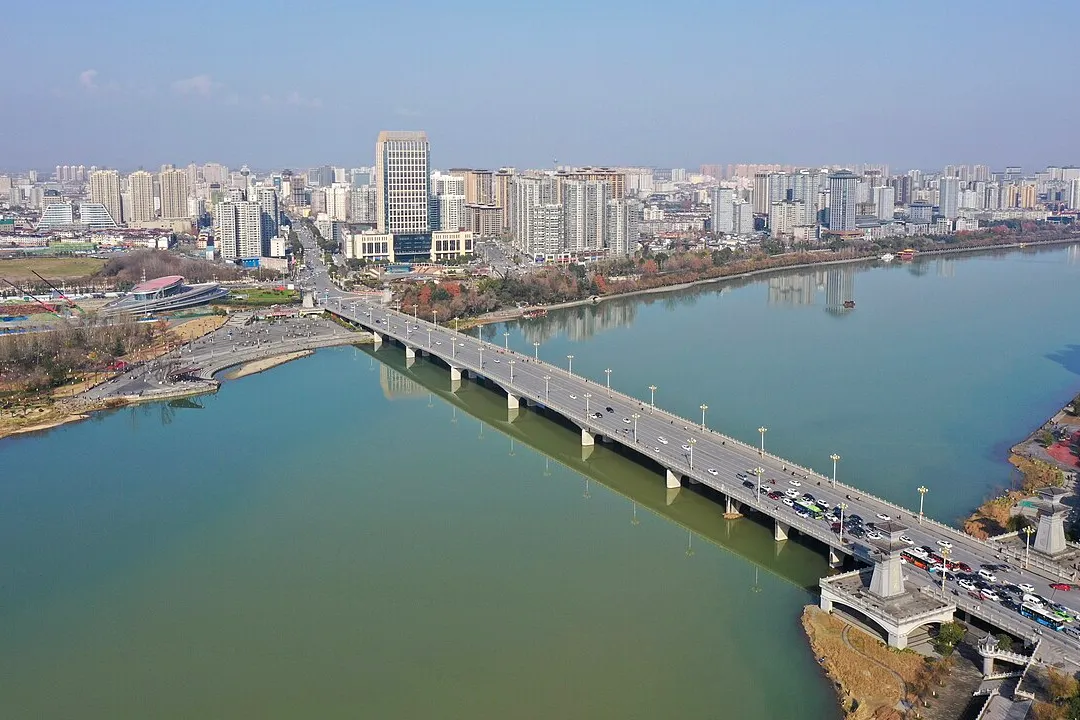
Why this place
Hanzhong is the basin on the Han River where Liu Bang was enfeoffed before founding the Han dynasty, which is why Chinese people call themselves Han. Warmer and greener than the rest of Shaanxi, it grows rice and tea, and it is where the first Silk Road envoy Zhang Qian was buried. The city sits in a fertile river plain ringed by the Qinling and Daba mountains, with plank roads and the Wuhou Shrine at Mianxian recalling the Three Kingdoms, making it a gentle contrast to the dry north and a gateway toward Sichuan.
People and culture
- The name Han, used by the Chinese people and the ruling dynasty, traces to this basin, because Liu Bang was made King of Han here before unifying China and the region gave the empire its lasting name.
- Zhang Qian, the Han envoy who opened the route to the Western Regions and is honoured as the father of the Silk Road, was buried at Hanzhong's Chenggu, where his tomb and memorial stand today.
- The Qinling-Daba plank roads were feats of wooden architecture pinned to cliff faces, the only way armies and traders crossed the mountains to the Wei valley and Sichuan for two thousand years.
- Hanzhong's mild wet climate makes it Shaanxi's rice bowl and tea garden, a cultural and culinary outlier in a province better known for wheat and lamb.
What to see
- The Zhang Qian tomb and memorial at Chenggu, for the man who opened the Silk Road to the west.
- The Hanzhong Museum in the old town, with Han dynasty tiles, stone horses and the city's inscribed steles.
- The Wuhou Shrine at Mianxian, dedicated to the Shu strategist Zhuge Liang of the Three Kingdoms.
- The Qinling and Daba mountain scenery, with spring rapeseed fields turning the basin yellow.
- The ancient plank roads through the mountains, including rebuilt sections open to walkers.
- The Han River waterfront and the Shimen reservoir, where the old cliff road was flooded and its carvings moved to a museum.
What to eat
- Re mianpi, hot rice noodles, the local breakfast unique to Hanzhong and eaten with a savoury broth.
- Hanzhong rice dishes and cai doufu, a local tofu cooked with greens from the basin.
- Walnuts and the green tea of the surrounding hills, picked in spring and dried in small workshops.
- Shaanxi-style noodles and steamed buns, shared with the rest of the province but softer here in the south.
How to plan
Day 1: explore the Hanzhong Museum and the old town, then walk the Han River waterfront and the rebuilt plank-road section nearby. Day 2: take a bus to Chenggu for Zhang Qian's tomb, and on to Mianxian for the Wuhou Shrine honouring Zhuge Liang, returning through the mountain road. Hanzhong is on the high-speed line from Xi'an, about two hours, and its basin makes a relaxed overnight before the climb south to Sichuan.
Best time
March-April for rapeseed; September-October otherwise
Practical tips
- Hanzhong is the rail gateway between Xi'an and Chengdu, so visit it as a stop on a Sichuan-bound journey rather than a detour.
- The rapeseed blooms in late March and draws crowds and good light, but the basin gets humid, so bring rain gear in spring.
- The plank-road sites are spread out and rural, so hire a driver or join a tour for Zhang Qian's tomb and the Wuhou Shrine.
HSKHSK level 3
This browser has no speech synthesis, so the ▶ buttons stay silent. Everything else works — Chrome, Edge and Safari can read the sounds aloud.