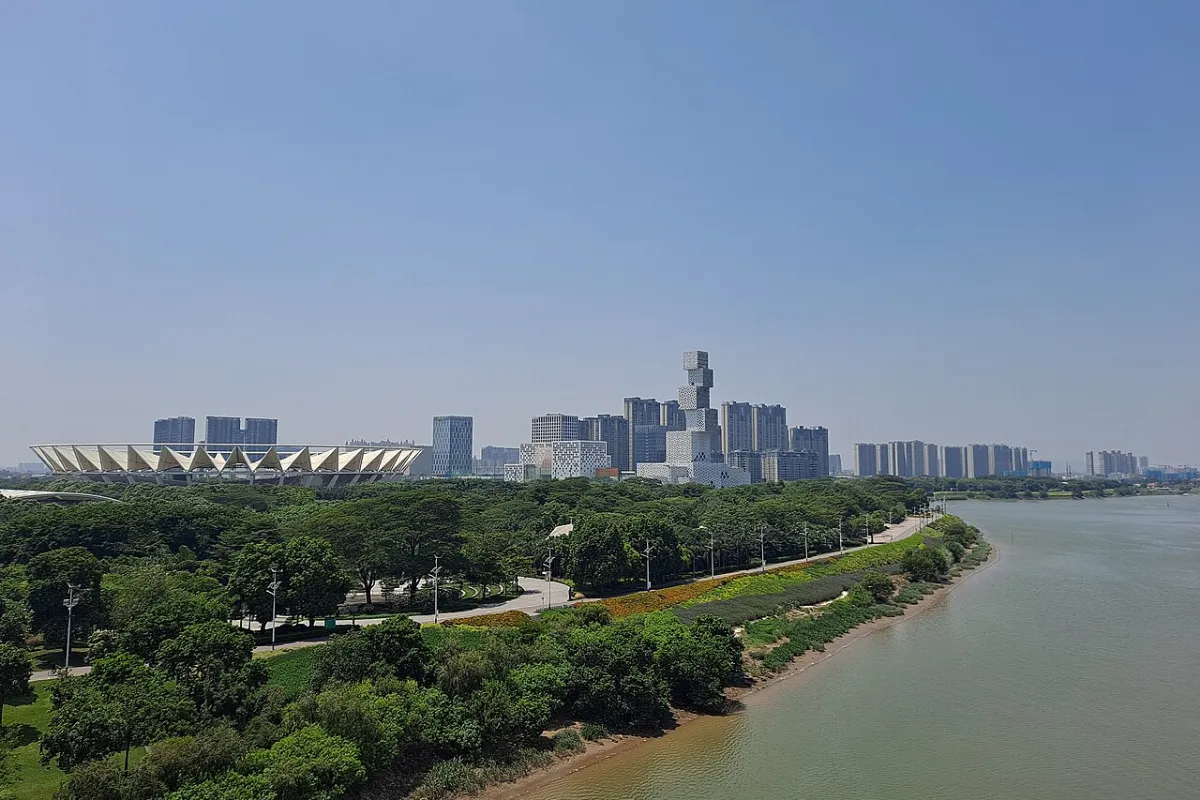
Why this place
Foshan is the cradle of Wing Chun kung fu — the lineage of Ip Man and, through him, Bruce Lee — and for centuries a workshop of Cantonese craft: ceramics, ironwork, paper-cutting and lion dance. Its Ancestral Temple still stages martial-arts and lion-dance displays, and the Shiwan pottery kilns have fired continuously for five hundred years. The city is also a short metro ride from Guangzhou.
People and culture
- Wing Chun kung fu was systematised in Foshan and passed down through Ip Man to Bruce Lee, making the city a martial-arts pilgrimage.
- Shiwan pottery has been fired at the Nanfeng kiln for five centuries, supplying roof tiles and figural sculptures across south China.
- Lion dance and the folk-arts tradition are kept alive at the Ancestral Temple with regular performances.
- Foshan's metalwork and paper-cutting workshops formed a craft guild culture that fed Cantonese decorative taste.
- Foshan's position beside the Guangzhou-Foshan canal made it a workshop town for centuries, supplying the delta with ironware, lanterns and fireworks, and its guild halls once coordinated craft production across the whole Pearl River region, giving the city an industrial identity long before the modern era that still shows in its craft museums today.
What to see
- The Ancestral Temple (Zumiao), with lion-dance and martial-arts demonstrations.
- The Nanfeng ancient kiln at Shiwan, firing ceramics for five hundred years.
- Liang Garden, one of the classic Lingnan private gardens of the old city.
- The Wing Chun halls and the Ip Man memorial house.
- The Foshan Museum of the folk arts, with ceramics and paper-cutting on show.
- The Nanhai and Shunde waterways, where old villages line the canals.
What to eat
- Cantonese dim sum, excellent and cheaper than Guangzhou's, served in old teahouses.
- Shunde, in Foshan's prefecture, is regarded as China's finest Cantonese eating destination.
- Roast meats and claypot rice in the city's neighbourhood restaurants.
- Double-skin milk and sweet soups, a Lingnan dessert speciality.
How to plan
Spend a day, easily combined with Guangzhou. Morning at the Ancestral Temple for the lion dance, then the Nanfeng kiln to watch potters at work. Lunch on dim sum, then Liang Garden and a Wing Chun hall in the afternoon. In the evening cross to Shunde for a famous Cantonese dinner — the region's best tables are a short ride away.
Best time
October–December and March–April
Practical tips
- Shunde deserves a full evening of eating — Cantonese chefs go there to dine.
- The metro from Guangzhou makes Foshan an easy half-day or day trip.
- Lion-dance shows run on set schedules; confirm times at the Ancestral Temple.
HSKHSK level 3
Characters武
This browser has no speech synthesis, so the ▶ buttons stay silent. Everything else works — Chrome, Edge and Safari can read the sounds aloud.